Food for thought: UPFs and food culture
Journalist and food policy student Carinne Geil Botta answers our question: How is the growth of UPFs affecting British food culture?
“EVERYTHING WE EAT LINKS US TO THE PEOPLE WHO PRODUCED IT. WHAT IS FOOD WITHOUT ITS STORIES?”
Words: Carinne Geil Botta
Borough Market, which is run by a charitable trust, exists “for community, the love of food and a better tomorrow”. This statement informs everything from our Food Policy to our work with local schools; it also sparks lots of questions about what we do and why we do it. This spring, we’re throwing some of those same questions out to experts beyond the Borough Market community.
This week’s answer comes from Carinne Geil Botta. A US-born, UK-based food and travel writer, Carinne is currently completing a PhD in food policy at City St George’s, University of London.
Question: How is the growth of UPFs affecting British food culture?
As someone immersed in the study of food policy, the rise of ultra-processed foods (UPFs) has felt nearly impossible for me to ignore. But this topic isn’t just intellectually compelling; it’s personal too – it was the stories we tell through what we eat that drew me to food in the first place, long before research ever did. And while many conversations surrounding UPFs focus on public health implications, an important angle that often gets overlooked is their impact on food culture. After all, food is more than just fuel; it represents memory, identity and belonging.

Before going any further, it’s worth clarifying what I mean by ultra-processed foods. While no universally agreed-upon definition exists, the NOVA classification, developed at the University of São Paulo in Brazil, is the one most widely adopted in the research world. This describes UPFs as industrial formulations often high in additives and low in whole-food content. Think of them as heavily processed foods that contain ingredients you wouldn’t keep in their raw form in your kitchen cabinet, like emulsifiers or additives.
Our collective dependence on these foods is rooted in the aftermath of World War II, when industrialised food was deemed crucial for food security, laying the groundwork for the modern-day convenience food industry. Today, our food system is dominated by monocultures and factory farms, complex supply chains, giant corporations and UPFs: all different issues but deeply intertwined.
These innovations have led to significant benefits, such as increased availability, enhanced food safety and more affordable ingredients, but these have come at a heavy cost. Along with land degradation and water overuse, UPFs have a high carbon footprint, contributing to greenhouse gas emissions. A packaged snack might pass through multiple rounds of refinement, transport and preservation before it lands on the grocery store shelf, each step adding to its environmental toll. The impacts of UPFs also spill over into public health, as the connection between poor diet and poor health is potently strong.
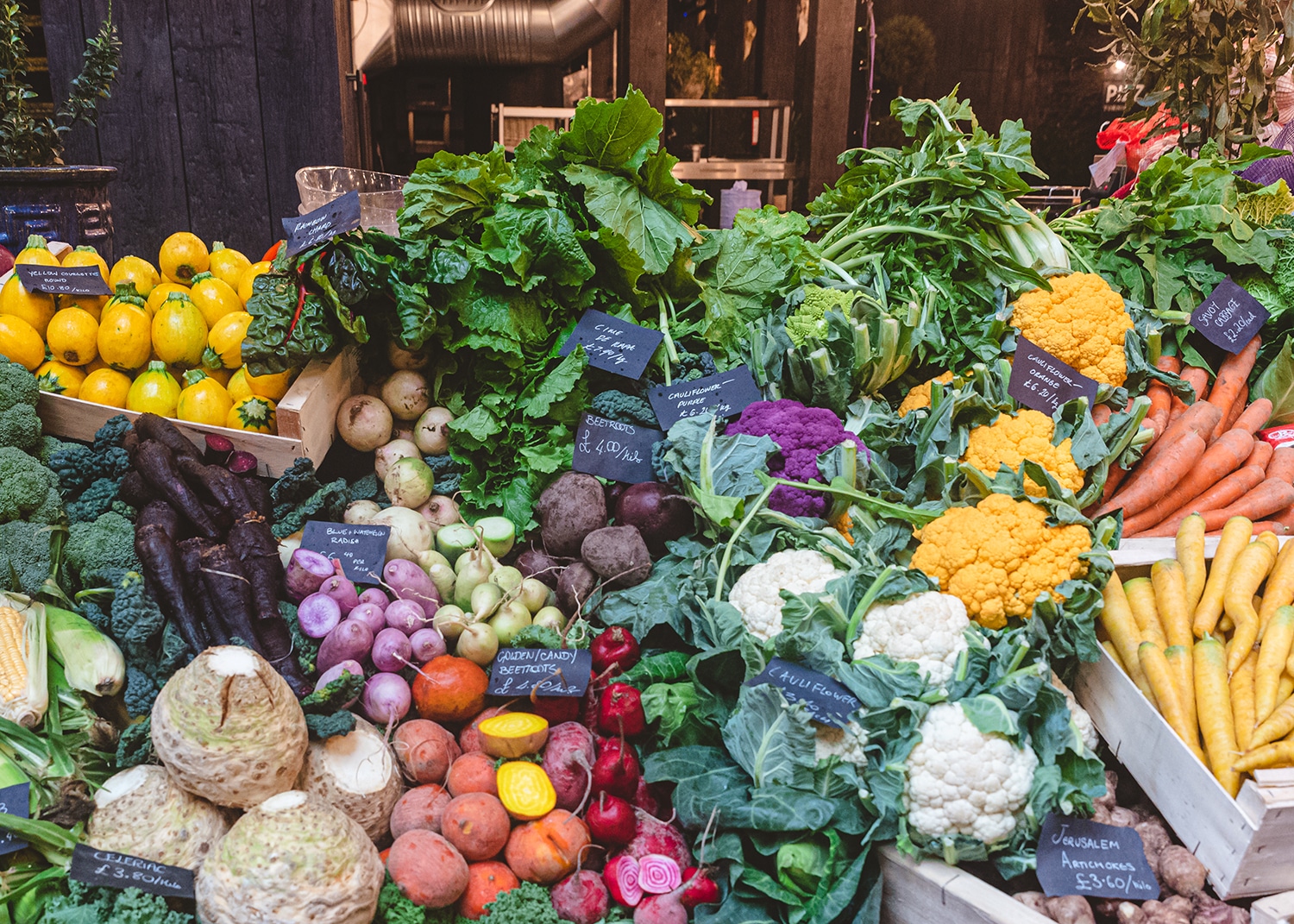
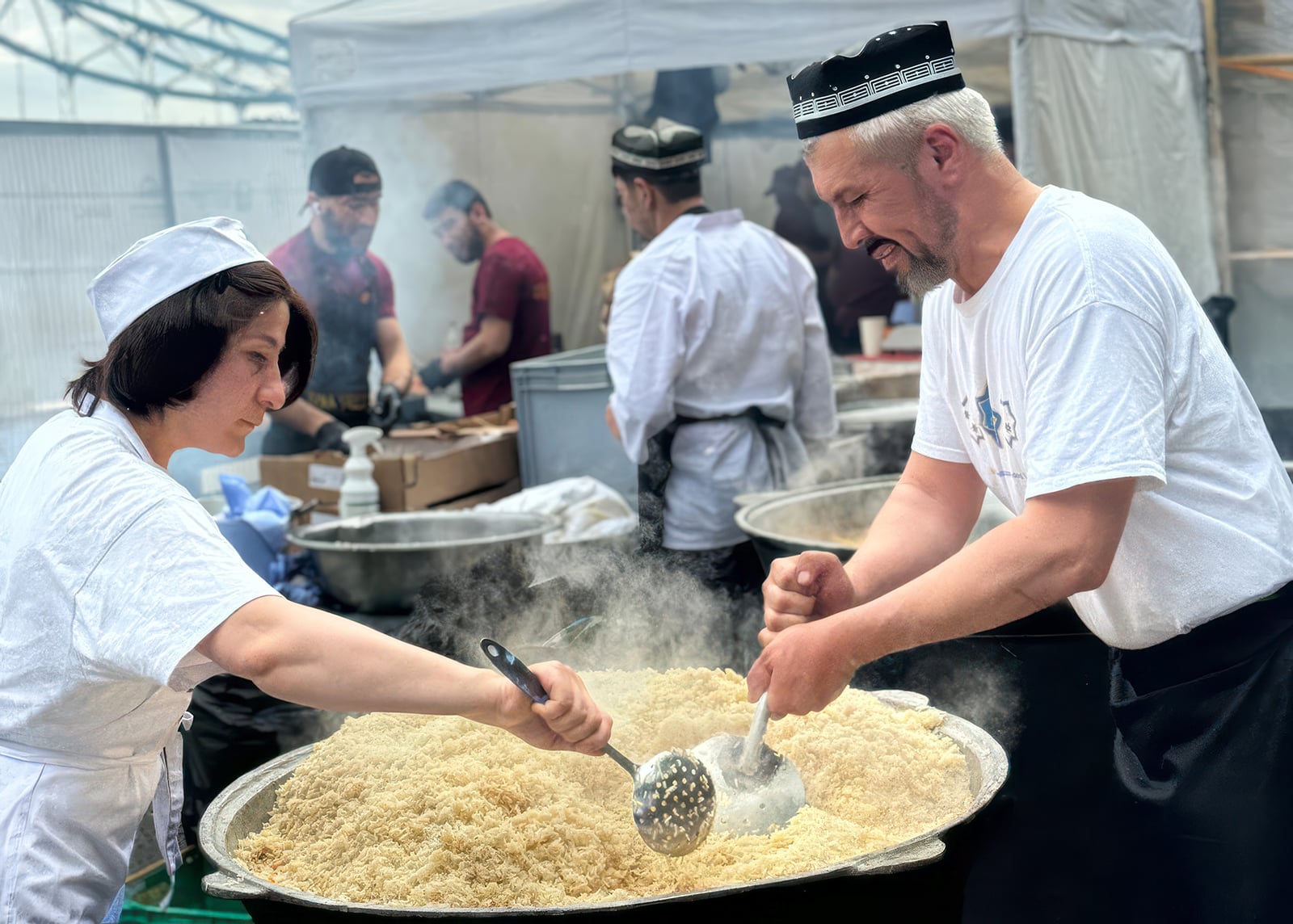
As industrialised practices continue to dominate the global food system, they often overshadow small-scale producers whose labour, traditions and care offer a very different model of food production: products carefully cultivated, rooted in community practices, travelling shorter distances and often requiring less processing. The price tag for the seasonal produce and minimally processed foods commonly found at local markets can surprise many consumers accustomed to standardised supermarket options, but you’re paying for more than ingredients. It’s the hours of labour, the high quality, and the preservation of knowledge and sustainable practices that underpin these makers’ crafts. It’s not just about buying fuel; you’re supporting someone’s livelihood and food culture.
In the ultra-processed world we live in, it’s easy to forget that every meal bridges us to the people and places that produced it. What is food without its stories?”
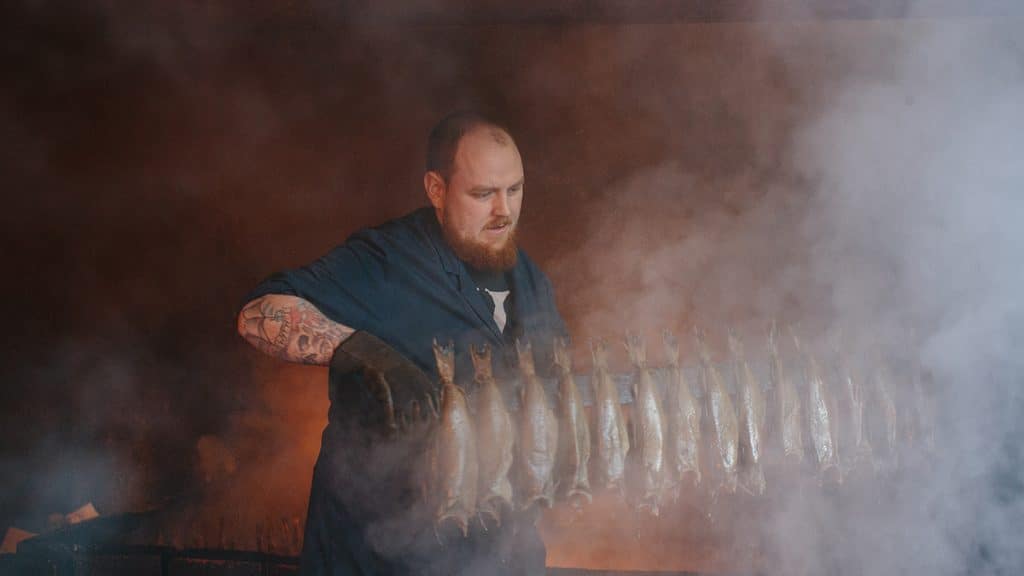
Take, for example, stilton cheese, Yorkshire forced rhubarb or Arbroath smokies. Each is rooted in a specific landscape, shaped by the conditions of its production, from soil composition and climate to centuries-old production methods passed down through generations. Stilton is inseparable from the dairying traditions and microbial environments of its Midlands counties; forced rhubarb depends on the unique ‘forcing houses’ of Yorkshire’s Rhubarb Triangle and its carefully controlled growing conditions; and Arbroath smokies reflect the coastal waters and long heritage of fish curing in Scotland. Industrially produced equivalents attempt to imitate their flavour profiles, but lose the geographical specificity, seasonal rhythm and cultural knowledge that give these ingredients a deeper meaning.
Despite working in the food industry, even I can admit that when life gets busy, it’s easy to slip into the world of processed foods. They’re so easily accessible and widely advertised it’s hard to ignore them. But in the past few years, my eyes have been opened to another way of eating: one that isn’t driven by convenience and speed but influenced by the people and provenance around me.
For this to become the norm rather than an exception, change is needed. This means action across food policy, increased accessibility for all, and investing in local and smaller-scale food systems. It also means a cultural shift that values time, skill and connection.
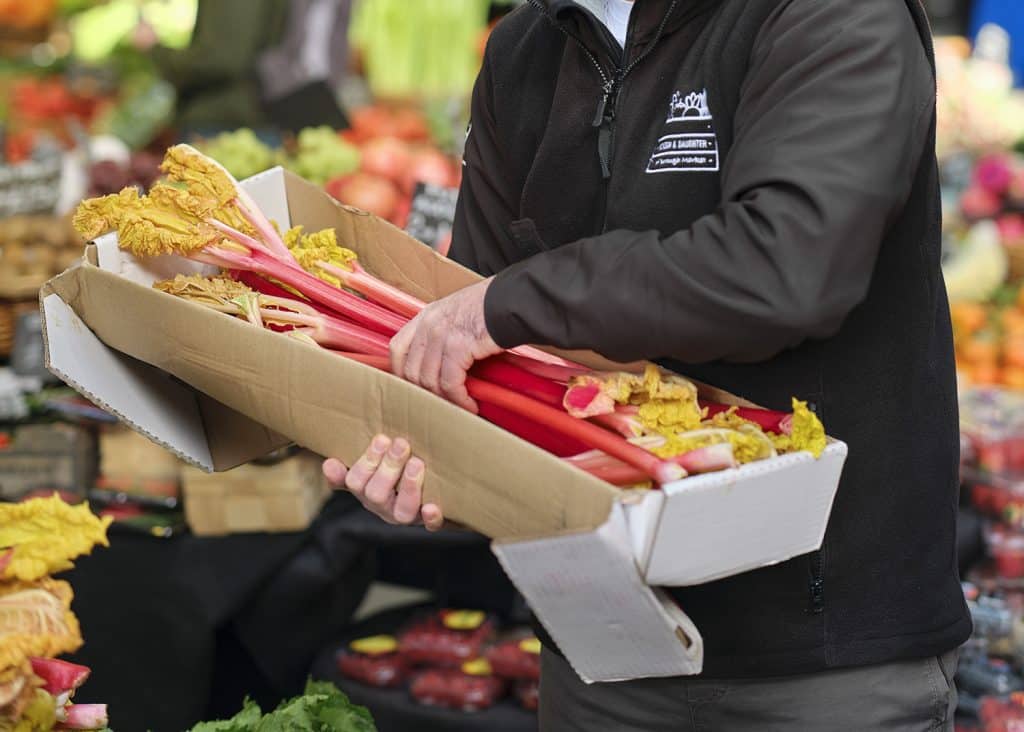
The more local I go, the more I learn and the more I care. I learn from market traders, hearing stories about their own family recipes and cooking origins – conversations I take with me along with the food I buy. I learn from chefs who foraged the very mushrooms and berries on my plate just hours before, who sourced the meat from their butcher in a neighbouring town. And I look forward to my weekly catchups with growers and artisans who not only sell the ingredients I cook with but also invite me into their world, sharing culinary stories and advice as if I were part of their kitchen. There’s an intricate web of connection that links us within the food system: producers, markets, chefs and farmers, as well as customers. Through recognising the value of seasonality and local provenance, we can recognise a value that extends far beyond what we consume to a deeper tie to the food culture around us. Every choice we make becomes a way to support these relationships, honour their craft, and stay connected to food and the stories behind each bite.