How to be a great tourist
Travel and food writer Gurdeep Loyal shares his tips for an enriching tourist experience that benefits both visitors and hosts
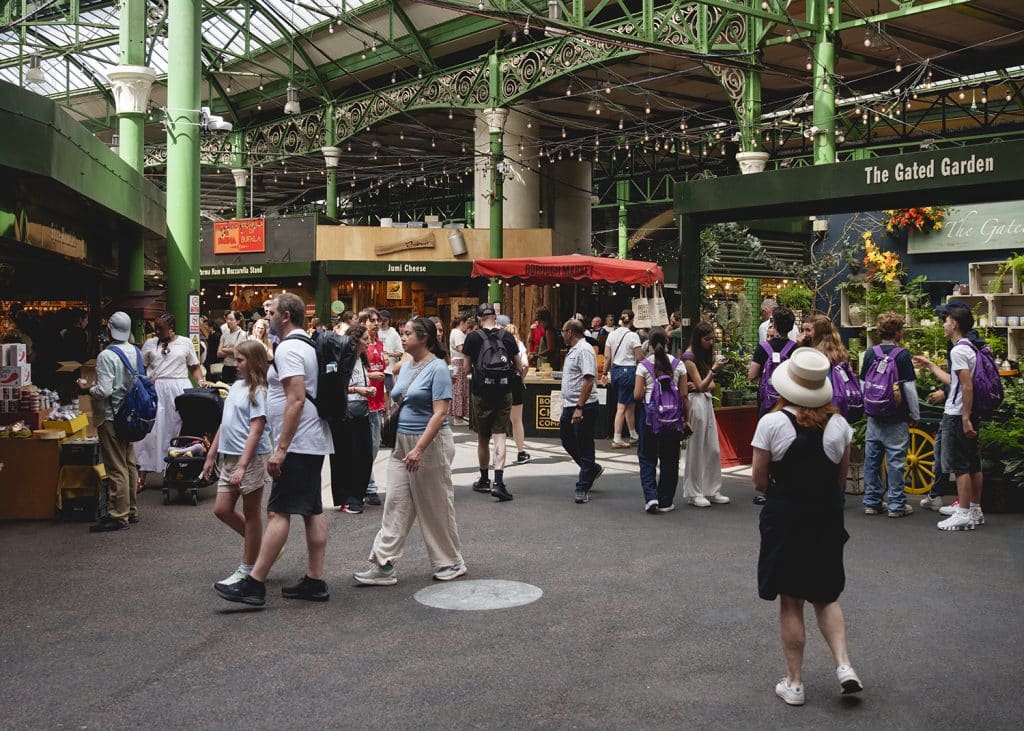
“ENGAGE WITH TRADERS, ASK ABOUT THEIR STORIES, LEARN HOW THEY SOURCE THEIR PRODUCTS”
Words: Gurdeep Loyal / Images: Andy Paradise
Being a considerate tourist not only benefits the places you are travelling to but creates a more deeply enriching experience for you, the visitor. Gleaned from my experiences as a travel and food writer, here are my tips for travelling in a way that respects the local environment and culture, benefits the destination economy and fosters meaningful connections.
Love local
Loving local is a fundamental principal of being a good tourist. It means honouring the true creative spirit of a place by favouring enterprising individuals over mass-market corporations. Skip the sterile chains when it comes to your daily rituals – grabbing pastries and hot drinks for breakfast, buying souvenirs and stocking up on snacks. Instead seek out independent market traders and family-run cafes. Look for the true bastions of their craft: coffee shops that roast their own beans, street-food stalls rooted in the local culture, restaurants whose menus are developed with soulful heart, and food traders where every product has a story to tell.
The key is to approach global travel with a curious, respectful palate and a willingness to do a bit of extra research. Pinning local spots onto maps, saving social media posts, and asking the locals where they like to shop are all great habits to adopt. No one is more knowledgeable about a place than the people who provide its daily heartbeat.
Slow down
True exploration cannot be rushed from behind a taxi window. Walking or cycling – even roller-blading – around a new city allows you to engage with it more intimately, as well as reducing your environmental impact. A more meandering pace means you’re not just ticking off a bucket list of famous places. It frees you to go down unmarked alleyways, stroll into hidden buildings and courtyards, and revel in the heritage of a place – reading blue plaques, taking in the detailing of a historic building and looking out for the subtle characteristics that make a place uniquely itself.
Slowing down also means taking time to learn phrases from other languages, showing locals that you respect the cadence of their culture. Even just a few simple phrases (“good morning”, “please”, “thank you”, “that was delicious”) will tune you into the essence of a place more acutely. And even if your pronunciation is terrible, locals will appreciate that you’ve made the effort.
Treat yourself
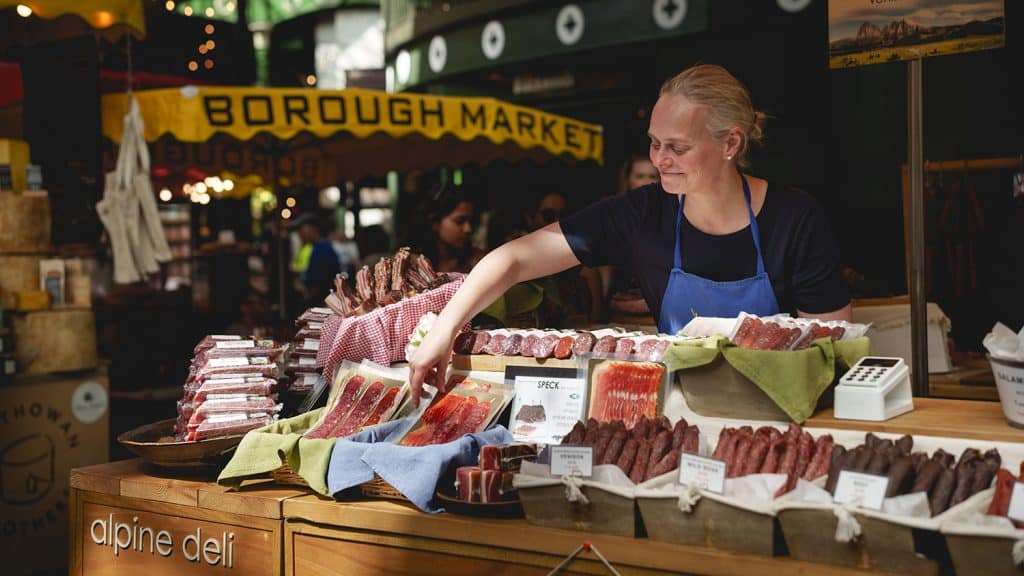
Markets, souks and independent shops are often the most characterful and photogenic sights a place can offer – but remember that these are commercial ventures where traders are trying to make a living. Go early or late in the day to avoid peak crowds, and if you’re in a big group, split up so you’re not blocking other shoppers. Don’t just wallow in the atmosphere, taking photos and obstructing trade, but get that wallet out and treat yourself.
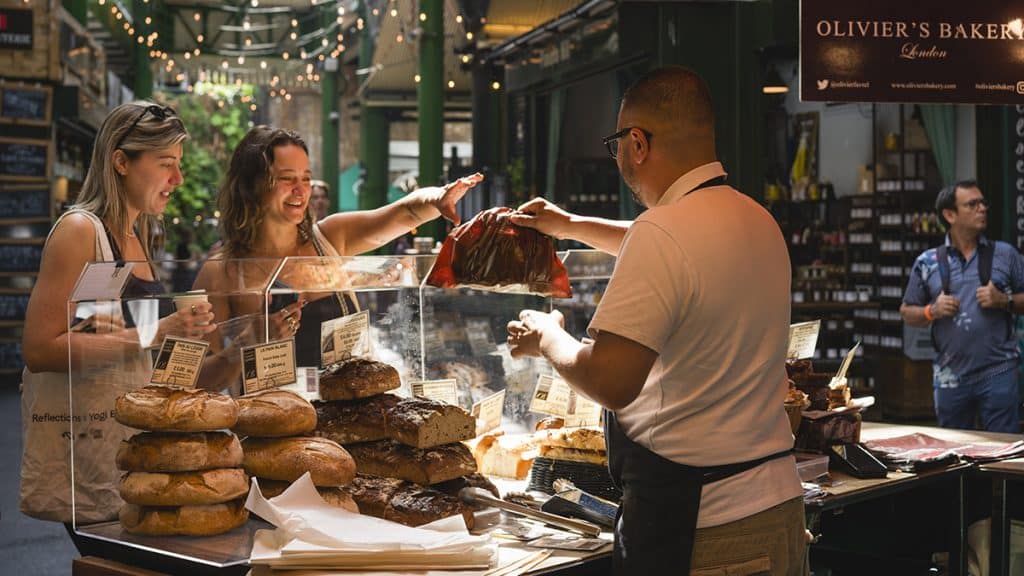
Engage with traders, ask about their stories, learn how they source their products, get curious about the provenance. Let them draw you into their craft – but then support them by spending your pennies. Buying things with a story behind them, from an interaction with a trader who you’ve really engaged with, makes for a truly special experience.
Get lost
Tearing up the itinerary frees you to stumble into the authentic heartbeat of a place, so make sure you have ‘free time’. Familiarising yourself with the general layout of a place before you get there is always useful, but once you’re there, put away the map and let yourself live in the moment. Getting slightly lost opens up entire new worlds of discovery.
You will usually retain a loose sense of where you are in relation to your hotel or apartment, so don’t fret; just let your instincts direct you. It could lead you to an unmapped backstreet kitchen where local delicacies are being baked, or a chaotic market untouched by mass tourism. Getting lost transforms you as a traveller from a detached spectator into an active explorer. The magic of traveling lies in those moments of unplanned serendipity.
Follow your senses
Whether it’s noticing the sound of church bells, the smell of a bakery or the eye-catching spray paint of street art, being a good tourist means engaging all your senses. Your experience of a place comes alive when you let yourself be led by intuition instead of guidebooks or social media algorithms.
An aura of immersive discovery can only be unlocked when you feel entirely present. Don’t just join the queue that all the other tourists are in. Tune into the world around you – the smells, the colours, the local people. Trusting your eyes, ears and palate unlocks authentic cultural encounters, turning an ordinary holiday into a deeply personal experience.
Graze globally
Being a good tourist means supporting as many local businesses as you can during your short time there. One way to do this is to switch your eating habits from three big meals a day to lots of smaller grazing occasions. Don’t make loads of restaurant bookings ahead of time. Instead, check out the local street food scene.
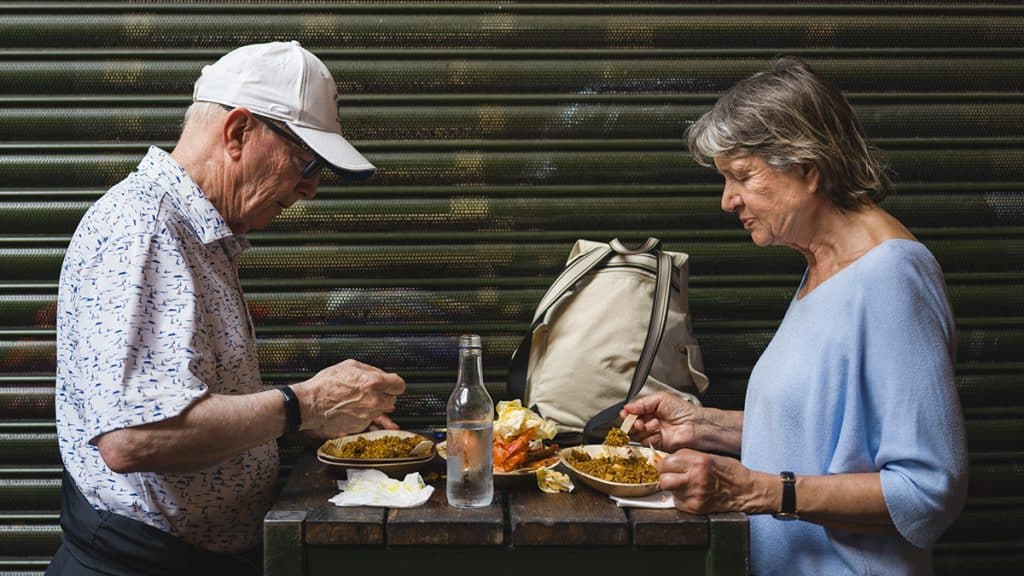
Seek out food markets and take joy in having days where your eating is done through ‘picky bits’ gathered along your travels. And don’t forget to save room for dessert – follow the signs to ice cream parlours, chocolate shops, bakeries, specialist local sweet stores. Spread your pennies far and wide, supporting the breadth of food businesses in the communities you are visiting.
Tread lightly
Being a good tourist means keeping mindful of the delicate social and environmental ecosystem of the places you’re visiting. Always manage your waste responsibly, leaving no trace behind, and recycle everything you can.
Use chemical-free products, conserve local resources by keeping your showers short, reuse hotel towels, and carry refillable water bottles. Respect local communities by dressing appropriately for sacred sites and asking before taking photos of people (including market stallholders!).Your goal should be to leave a destination exactly as you found it.
Support the nighttime economy
When the sun sets on a place, that’s often when its unfiltered spirit comes truly alive – so when travelling, always pace your day to ensure you have plenty of time to explore at night. Look beyond sterile hotel bars. Go in search of bustling night markets, independent late-night diners and grassroots music venues where local performers are playing.
Supporting these nocturnal hubs sustains workers, creatives and family businesses. Eating street food under neon lights or sharing drinks in a neighbourhood tavern fosters deep, authentic human connection, ensuring the city’s nocturnal culture remains celebrated, resilient and thrillingly alive. And the very best way to ensure you get to do this: always factor in time in your day for a good disco nap!