Close encounters
Mallika Basu on how getting closer to the source of our food can create positive change in a complex, globalised system
“MOST OF US ARE TOO FAR REMOVED, PHYSICALLY AND EMOTIONALLY, FROM THE PEOPLE AND PROCESSES BEHIND OUR FOOD”
Words: Mallika Basu / Images: Sim Canetty-Clarke, Kris Piotrowski
Food and drink don’t exist in a vacuum. Every ingredient carries a story of land, people, culture and care. Our everyday choices connect to something much bigger: the global food system that feeds us. This matters because the way food gets to us, and what we do with it, shapes our health, our environment and our future.
In my new book, In Good Taste, I explore how, both individually and collectively, we can make a positive difference when we shop, cook, eat and drink. That starts by building closer connections within a global system that can often feel complex and distant.
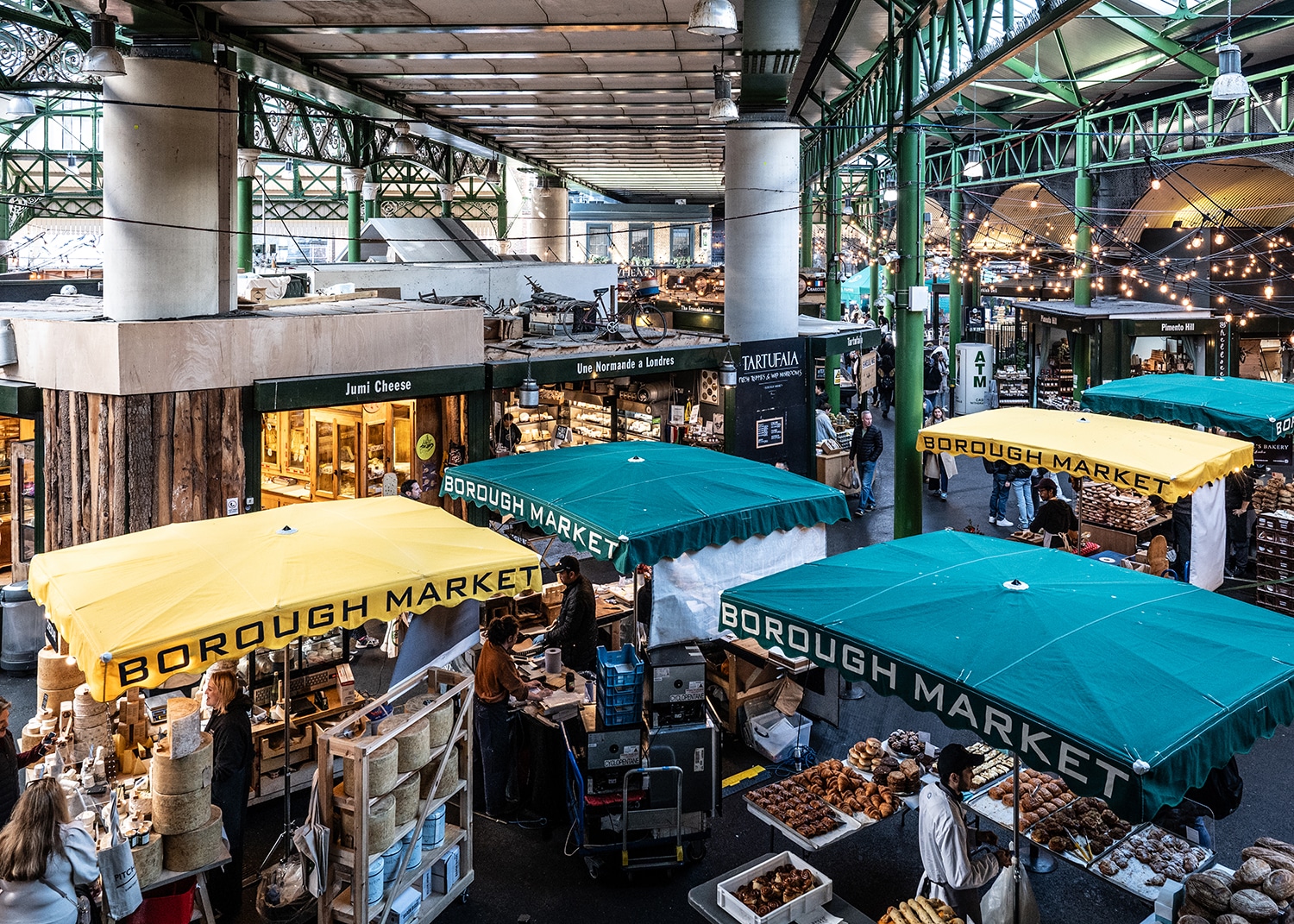
Most of us are too far removed, physically and emotionally, from the people and processes behind our food. It arrives clean, portioned and packaged, ready to go. But for food lovers, curiosity about where food comes from and how it’s produced can be part of the pleasure. It’s also where positive change begins. That’s why places like Borough Market matter so much – places where the food is sold by people who either produced it or know who did and can bring us closer to the stories behind what we eat.
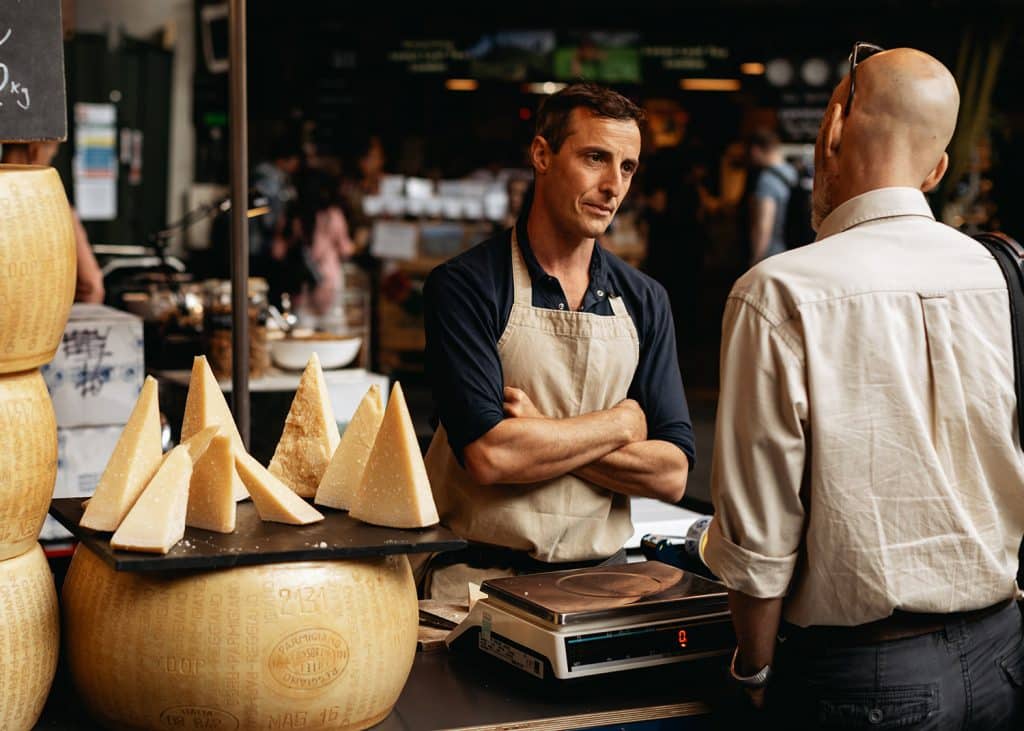
Curiosity plays a dual role. Talking to a trader can open the door to an unfamiliar ingredient, a seasonal vegetable you’ve never cooked before, a lesser-known cut of meat or variety of fish, all of which can help spread demand while keeping our food culture vibrant and evolving. Those conversations also help us look beyond the labels and make more informed choices. Terms such as organic, regenerative or agroecological are useful signals, but they can be quite broad and nebulous in practice. Taking the time to ask questions helps build deeper understanding.
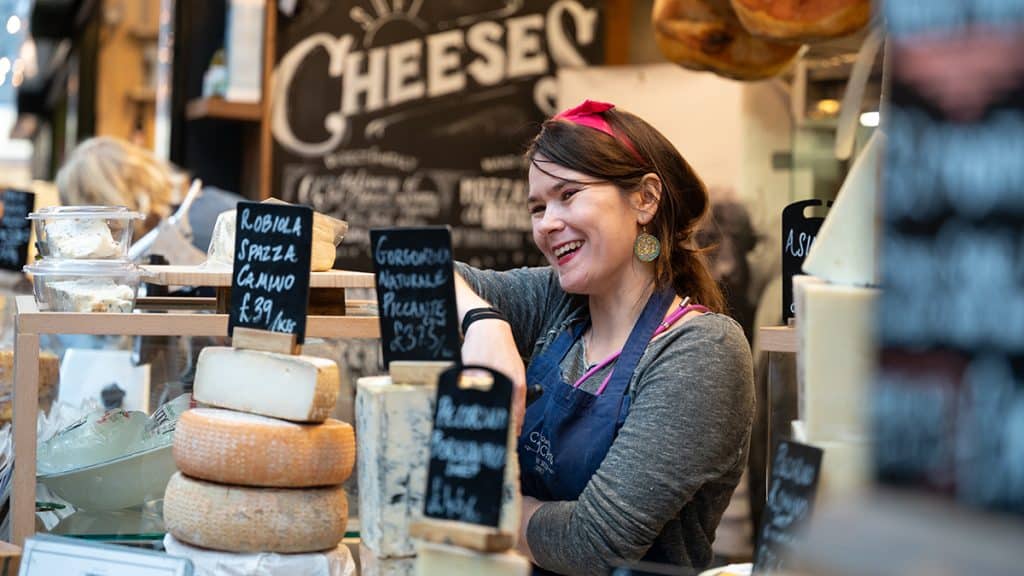
Getting closer to producers also means getting closer to seasonal and local food. Our palates are global, and access to cultural staples from around the world – like turmeric, rice or plantain – is essential for many, but when local produce is available, we should embrace it. It tends to taste better, be more abundant and offer better value when it’s in peak supply. It’s also one of the simplest ways to reduce environmental impact and build resilience in troubled geopolitical times.
For food lovers, positive, practical change doesn’t have to mean giving up the foods we enjoy. Often, it’s about buying less but better. Meat and dairy can be part of a healthy and enjoyable diet, but they are also among the most resource-intensive foods we produce. Eating them a little less often, while choosing more ethical and better-sourced options when we do, can make a meaningful difference. Another powerful step is to eat more beans, pulses and other legumes. These are affordable, versatile and naturally lower-impact foods that have fed communities around the world for centuries. They bring nourishment, flavour and extraordinary diversity to the table.
Finally, valuing every mouthful matters. Enormous effort and resources go into producing our food, yet a significant amount still goes to waste. Planning meals, storing ingredients properly and finding creative ways to use what we already have are simple habits that make a difference. For chefs and restaurants doing their bit, we can take doggy bags and inspiration home.
Together these small, conscious choices add up. When food lovers take an interest in how food is grown, produced and shared, we become more than consumers. We become tastemakers and changemakers, helping shape a fairer food system, one delicious choice at a time.
In Good Taste: What Shapes What We Eat and Drink – And Why It Matters by Mallika Basu (Nine Bean Rows) is available now