Food for thought: reflecting London’s diversity
Author and consultant Mallika Basu answers our question: is London’s vibrant food culture fully reflective of the city’s diversity?
“ENSURING THE FOOD SCENE REFLECTS LONDON’S MAKEUP DEPENDS ON US DISMANTLING BARRIERS TO ENTRY AND SUCCESS”
Portrait: Zoe Warde-Aldam
Borough Market, which is run by a charitable trust, exists “for community, the love of food and a better tomorrow”. This statement informs everything from our Food Policy to our work with local schools; it also sparks lots of questions about what we do and why we do it. This autumn, we’re throwing some of those same questions out to experts beyond the Borough Market community.
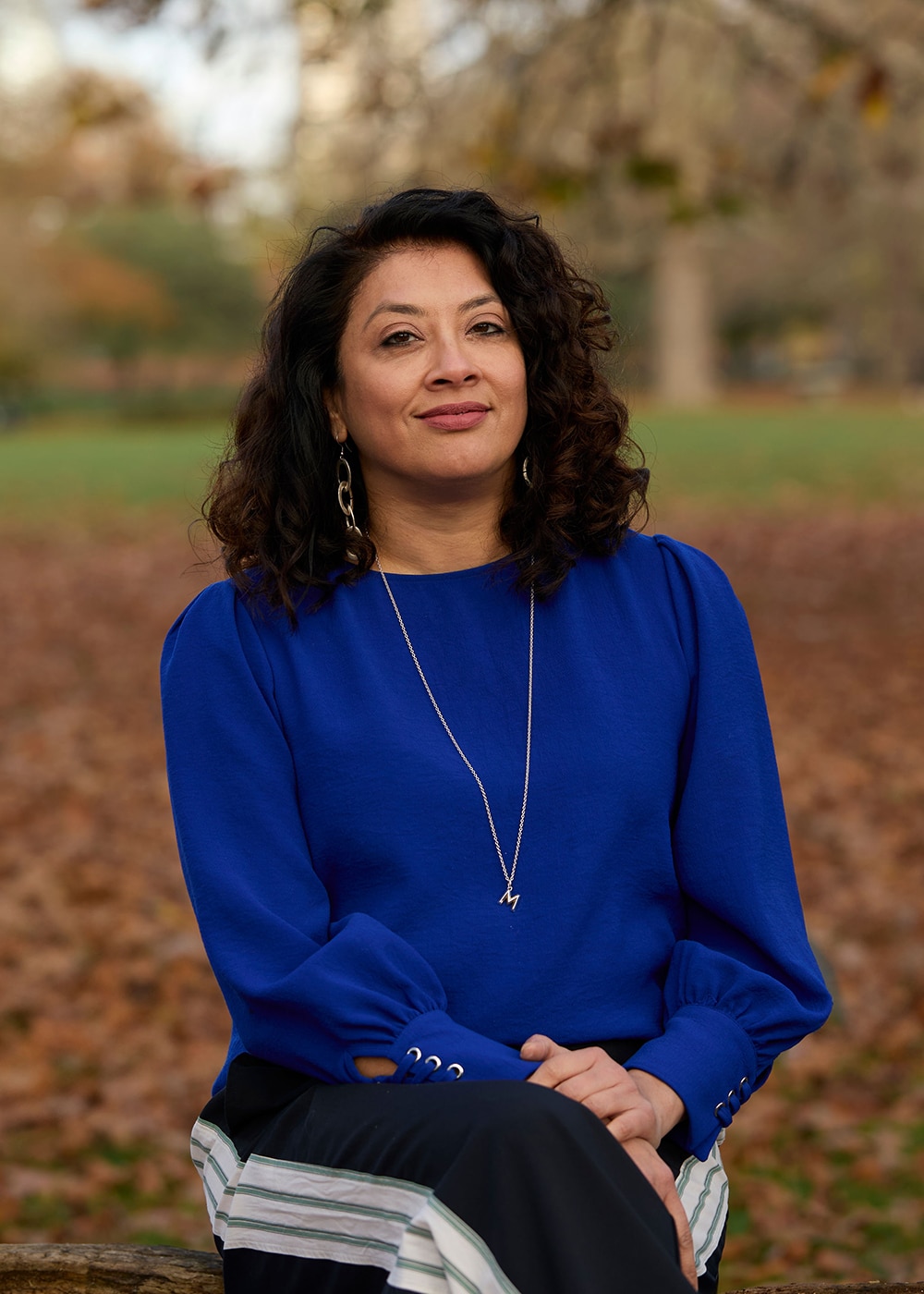
This week’s answer comes from Mallika Basu, a speaker, consultant and author whose new book, In Good Taste: What Shapes What We Eat and Drink – And Why It Matters, is available for pre-order.
Is London’s vibrant food culture fully reflective of the city’s diversity?
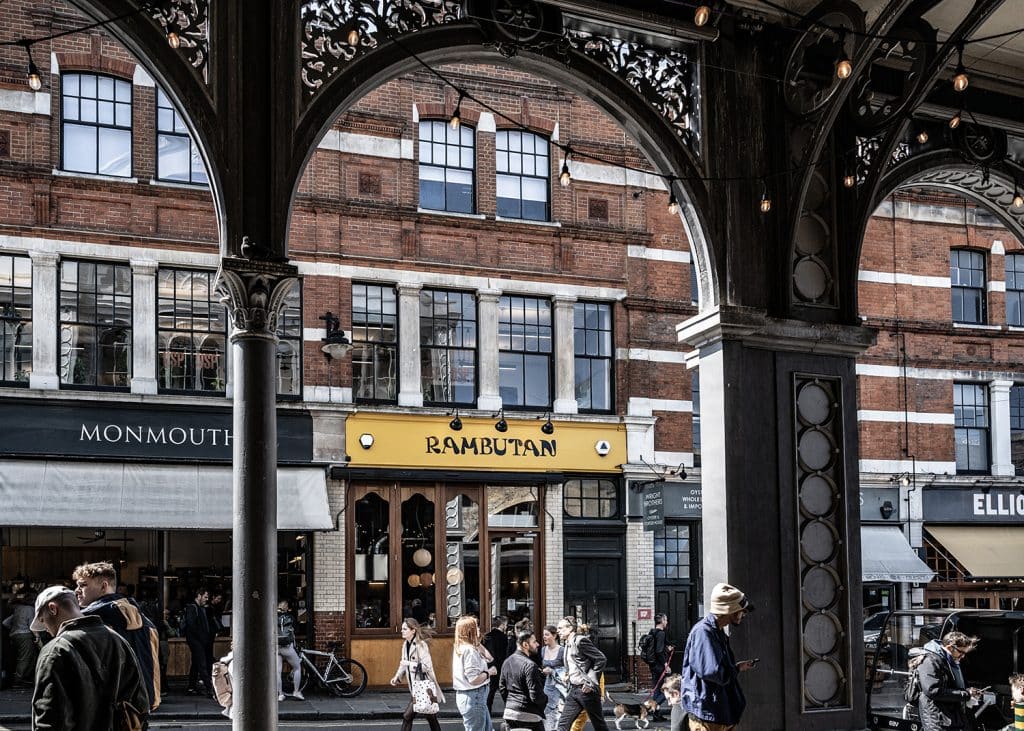
London is proudly – and famously – a bubbling cookpot of cultures. Its nearly nine million residents speak around 300 languages, more than any other city in the world. Almost half of all Londoners identify with non-white ethnic groups, and more than a third were born abroad. Nowhere is that multiculturalism more deliciously evident than in its food.
Walk down any high street and you’ll find food that tells the story of its local community, fighting against the tide of identikit chicken shops and chain retailers. The south Indian and Pakistani family diners of Tooting, the kebab shops of Little Turkey in Haringey, the Caribbean eateries of Brixton – all speak of migration, adaptation, enterprise and resilience.
There is a special joy in watching the upward trajectory of these restaurants’ founders. Mandy Yin started as a market trader before turning Sambal Shiok into a haven of luscious laksa in Islington. Asma Khan took Darjeeling Express from a supper club to a globally reputed all-female central London restaurant. And Joké Bakare of Chishuru went from a six-month residency in Brixton Village, which she landed as a competition prize, to becoming the first Black female chef in the UK to win a Michelin star for her vibrant, west African-inspired cooking.
Everywhere, we’re seeing expansions, upgrades and exciting new offerings. The feted Singburi in Leytonstone, one of London’s most beloved Thai BYOBs, is finally evolving into a full-scale restaurant, building on years of word-of-mouth devotion. Akara, an outpost of Fitzrovia’s Michelin-starred west African restaurant Akoko, has set up close to Borough Market, and there are plans for further ventures. The “Chongqing noodle queens” Charlene Liu and Liu Qian have opened a third Liu Xiaomian in Charing Cross. Even Mayfair appears to be turning into an upscale Brick Lane.
Cumulatively, these stories highlight a food scene diversifying from the ground up. Yet ensuring it truly reflects the city’s makeup still depends on us dismantling the barriers to entry and success.
The socioeconomic obstacles facing diverse entrepreneurs remain high. And if anything, they’re getting harder to overcome. Setting up, marketing and running a restaurant demands serious capital. In an already punishing market, a lack of generational wealth, limited access to investors and a bias toward “tried and tasted” cuisines often make it harder for new players to break through. This curbs the emergence and expansion of fresh ventures, keeping many confined to outer neighbourhoods rather than the prestigious postcodes of central London.
Then comes the dreaded b-word: buzz. It’s the oxygen that all restaurants need to survive, and it doesn’t come easy. Some of that buzz is down to luck, but most is the product of savvy PR, constant content and social media sophistication. For many founders, especially those juggling everything from menu design to staffing on limited budgets, a high level of digital acumen – and the time needed to mine it – can feel out of reach.
Even when the product and storytelling are spot on, the wider landscape is unforgiving. Inflation, the cost-of-living crisis and economic uncertainty are squeezing household budgets. As Harden’s reports, the restaurant market has flatlined for seven years, shrinking from around 18,000 venues in 2017 to just over 11,000 in 2025. Rising costs, staffing shortages and mounting tax pressures have stirred an imperfect stew. For ethnically diverse entrepreneurs already fighting for visibility and capital, it can feel like being asked to cook a family feast without the key ingredients.
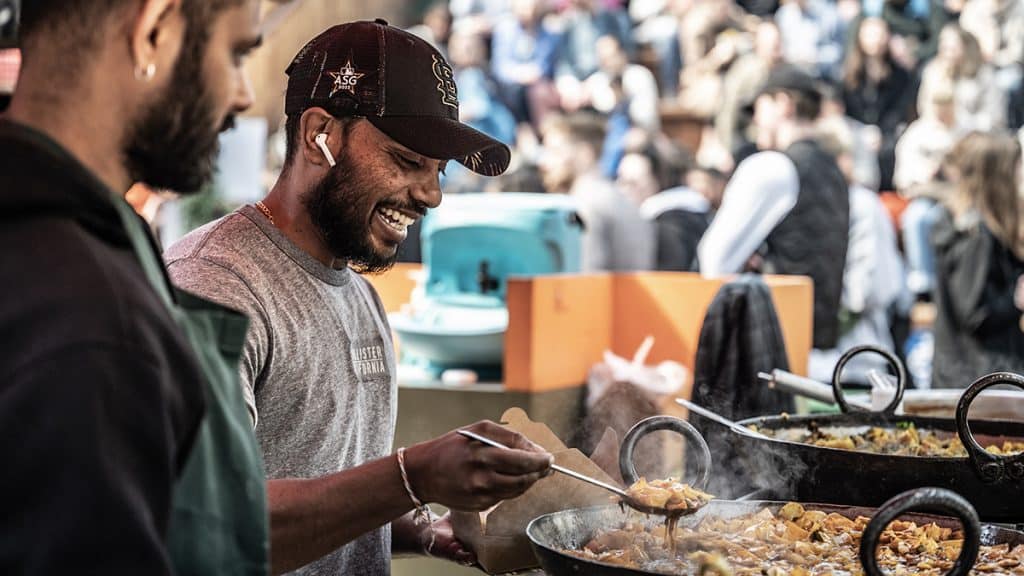
This also throws into light what and who we choose to value. When wallets and risk appetites shrink, appetites themselves often turn to the familiar. Restaurant PR Hugh Smithson-Wright notes: “As eating out becomes less affordable, diners are less willing to take a chance on unfamiliar cuisines and culinary styles and look for familiarity they can be confident they’ll like – French brasserie food and Italian particularly.” Investors too gravitate towards comfort and convention. Together, perhaps these factors explain the quiet resurgence of classical French cooking and other Euro-leaning menus across the capital.
That instinct for the familiar runs deeper than taste. Representation in senior roles, ownership and media coverage still skews narrow. Many talented chefs and founders from minority backgrounds struggle to access the same networks, mentorship or capital as their white counterparts. Recognition, meanwhile, often follows contacts and exposure, a cycle that keeps power and visibility concentrated in familiar faces, voices and hands.
Despite the challenges, there are reasons to be hopeful. London’s residents have a taste for the world and an endless curiosity for the new. Its diverse communities have resilience baked in. A new generation of food founders is reimagining what success looks like, turning conventional wisdom on its head and bringing more of themselves to the table. Incubators, accelerators and platforms like KERB and Black Eats LDN are championing tomorrow’s stars, while a growing community of standout success stories continues to inspire progress.
There is more to be done. As veteran restaurateur Iqbal Wahhab notes: “Savvy landlords should deploy talent scouts to Brixton and Brick Lane and help make the West End even more deliciously diverse and their spaces sparkle by finding the Jamaican equivalent of Asma or the Bangladeshi equivalent of Joké.”
Borough Market is a living example of how good food and opportunity can thrive side by side. If London’s food scene shows us anything, it’s that when barriers fall, flavour flourishes and everyone gets to taste the benefits.