The restaurant renaissance
The inside story of how Borough Market evolved into one of London’s most vibrant dining destinations
“THE EMERGENCE OF ONE OF LONDON’S BEST RESTAURANT AREAS WAS NO ACCIDENT”
Words: Tomé Morrissy-Swan / Images: Ben Broomfield, Andy Paradise
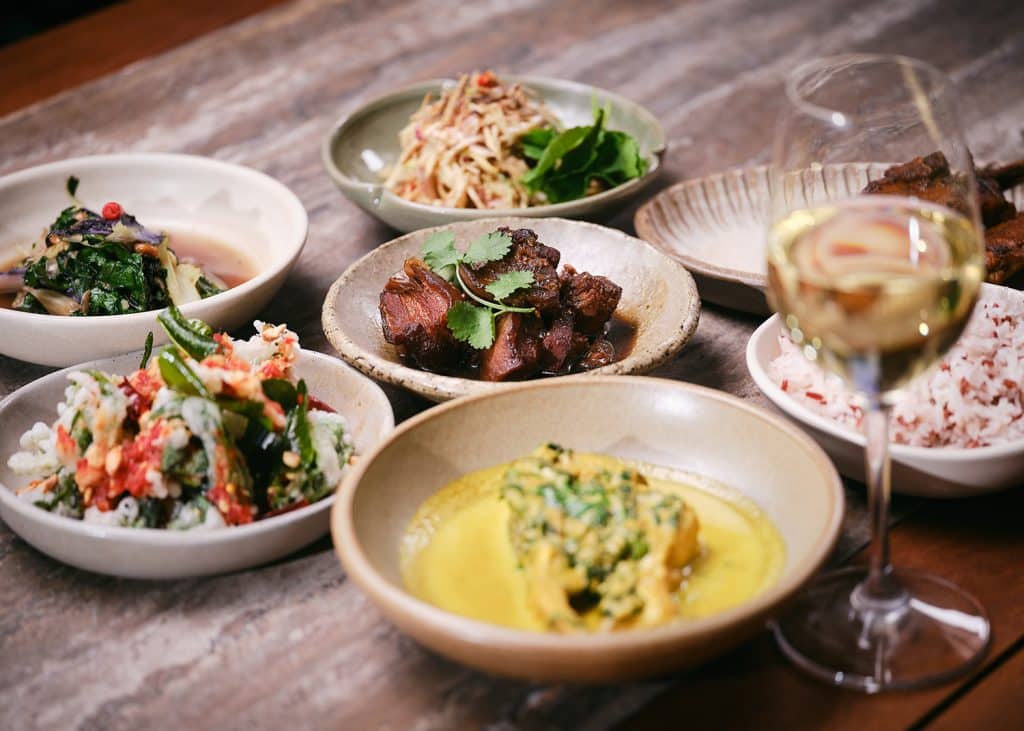
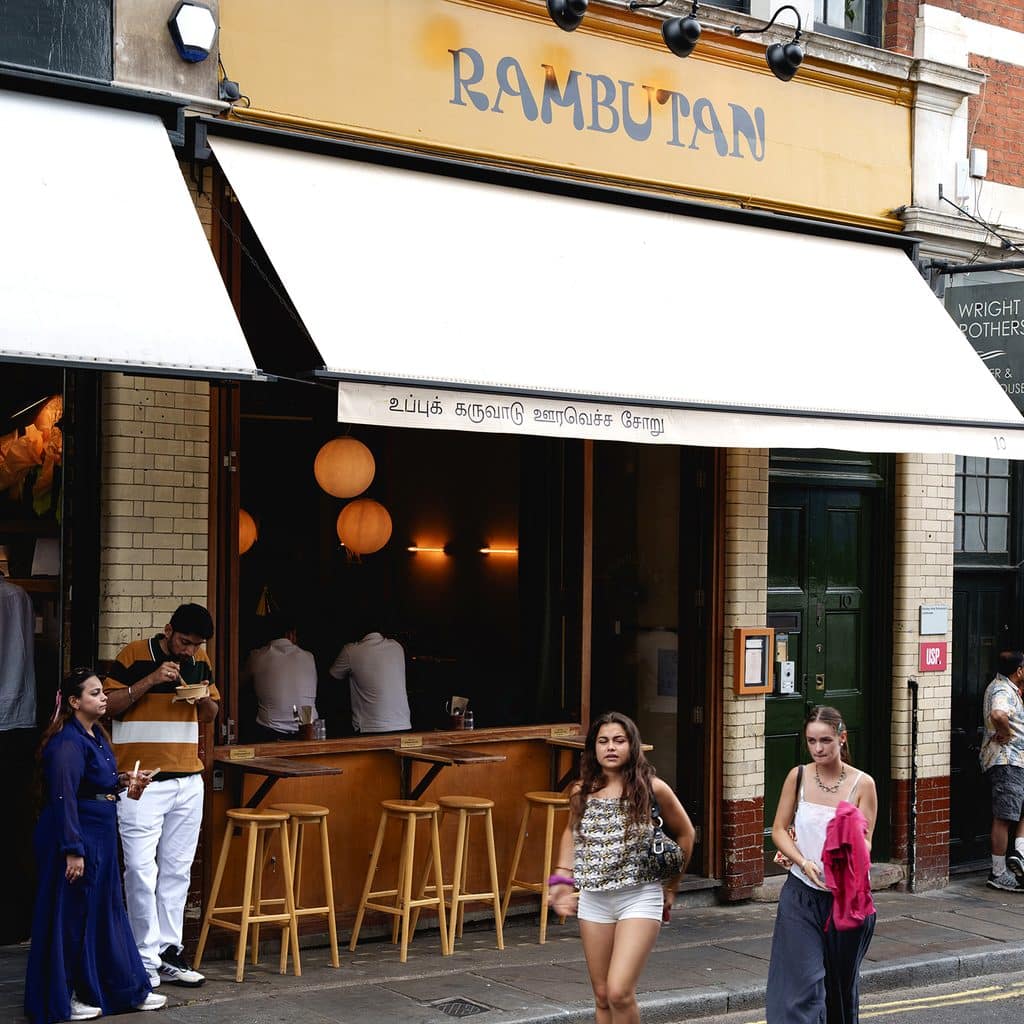
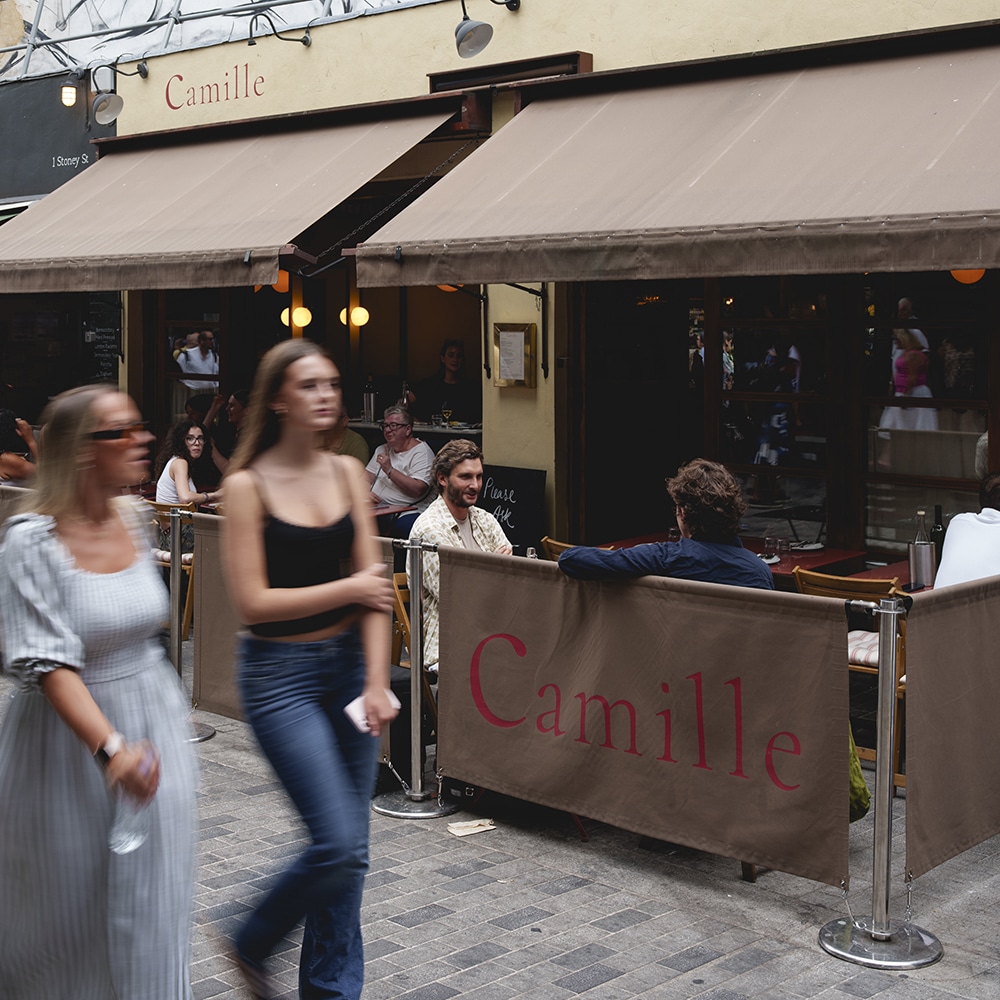
Perhaps more than ever, Borough Market has become a restaurant destination. From the offal-heavy French cookery at Camille to the modern Sri Lankan Rambutan, some of London’s most exciting spots now line the perimeter of this historic market.
At the 2025 National Restaurant Awards, four of the top 100 spots went to Borough Market tenants, and in the same year the Greek-inspired OMA became the first restaurant on the estate to earn a Michelin star. Stephen Wall, Borough Market’s head of asset management, says that while Borough Market doesn’t have London’s largest collection of restaurants, it certainly has one of the finest. “What we have here is examples of the best in class. We trade punches with the best of them.”
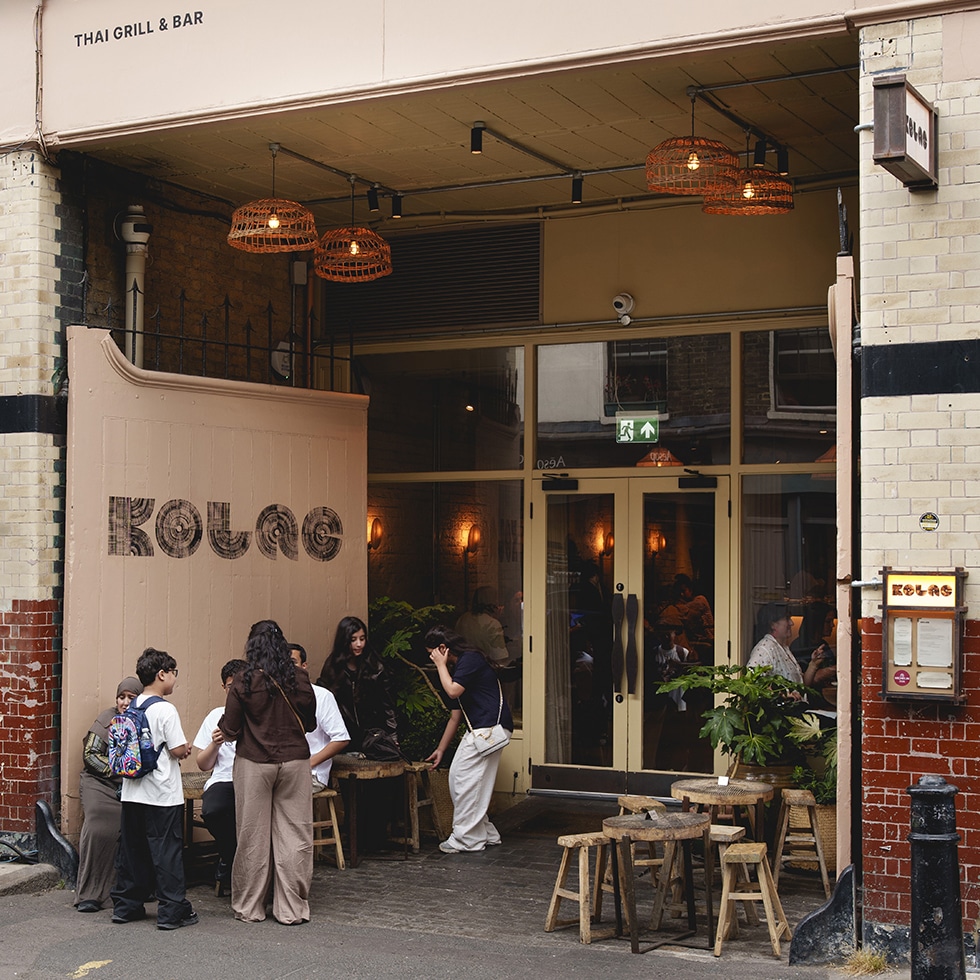
For Mark Dobbie, co-founder of Kolae, being on the periphery of London’s oldest food market is the culmination of a long-held ambition. Having moved to London from Australia in 2008, the market was always a “fun place, where I’d find the most interesting things, being engaged with ingredients and seasonality in general.” Since 2023, you can add his southern Thai restaurant to the mix.
While the Borough Market Trust doesn’t own every building within the perimeter, the 16 restaurants under its direct control are as integral to the character and reputation of the market as its myriad food stalls. Between them, says Stephen, the restaurants generate more than £4m per year. “That goes into subsidising the market, so the person who makes their own mushroom pâté can afford to trade here.”
The emergence of Borough Market as one of London’s best restaurant areas hasn’t come about by accident. When Stephen arrived in 2015, Padella, the pasta joint heralded as one of the best in the city, was about to open. “It was the right decision, but there was no structure behind it,” he says. “The decision to take them was based on someone having lunch at Trullo, and that didn’t feel rigorous enough. It worked out well despite itself.”
Stephen’s job was to ensure future successes were more strategic. In 2017 he helped launch the Investment Properties Estate Management Policy, establishing a clear set of criteria against which potential tenants would be judged. This includes a lengthy list of requirements on topics including ownership model, pay policy, sourcing, seasonality, waste reduction and energy use. Each applicant must achieve a score above 75 percent, assessed by a panel of market staff. When units become available, an external expert will set rent levels, with no bidding wars.
Although restaurants’ second or third iterations were previously accepted, one of the key criteria right now, says Stephen, is no chains. Thus Kolae is significantly different from Som Saa, its owners’ Spitalfields restaurant. When the team behind Soho’s Ducksoup arrived, it was to open Camille as a separate entity, rather than a second Ducksoup.
The first site to launch under the new policy, says Stephen, was Flor, the much-vaunted bakery, wine bar and restaurant, now sadly closed. Since then, the likes of Rambutan, Kolae, Camille, AGORA and OMA have followed, to significant acclaim.
In 2022, the Borough Market Trust published its first Food Policy, setting out the principles that should define the food sold at the market. While accepting that the trust has less day-to-day control over its commercial tenants, the policy states that “it does have considerable autonomy when choosing who to let properties to” and should apply the policy’s principles to that process. Although making things even more demanding for prospective applicants, this has done nothing to dampen the interest of London’s top chefs and restauranteurs. The policy is working, says Stephen. When a site on 10 Stoney Street became available in 2021 there were 28 viewings and 17 offers – in the middle of lockdown. The building that now holds OMA received 10 offers in 2023.
Mark had had his eyes on the site now hosting Kolae for a while. When an agent said it had become available, the team at Som Saa began investigating the process. “We aligned well in our feelings of how things should be run,” says Mark. “They have their criteria, and it’s not a purely commercial decision. It’s always nice when the first thing you find out about your landlord is that their main interest isn’t who can throw the most money at them.”
For David Carter, who runs OMA and AGORA, the diversity of cuisines was another draw. “Borough were very good in that they didn’t want an Italian next to Padella. Us, Berenjak, Camille, we’re all very different.” He says being by the market traders is crucial to the success of his restaurants. “It’s a hub of activity, the vibe is very important, there’s a lot of energy on the streets. I wouldn’t want to be in some quiet corner of Knightsbridge; that’s not a vibe.”
Guaranteed footfall is any restauranteur’s dream, and Borough Market receives 32 million visitors a year, says Stephen. “Try getting a table here – it can be extremely difficult.” But on slower days, walk-ins are common. At the very least, says Mark, the crowds add buzz. “You can get 100,000-plus on a Saturday or Sunday. There’s the Market Porter across from us, a well-known pub, it’s a nice sun trap, it brings a lot of atmosphere to the restaurant.”
Both David and Mark highlight the allure of being around other great chefs and restaurateurs. “Very few people don’t eat at each other’s restaurants – I’ve been to most of them numerous times,” says David. “There’s a lot of camaraderie. It definitely helps when you’re in the same neighbourhood. It’s a hub of activity.”
When it comes to produce, most chefs have close links with their own suppliers, from whom they source directly. The volume Kolae needs of Thai spices, fruits and vegetables would be impossible to obtain solely from Borough Market. But he often scours the market and is particularly fond of Raya, the southeast Asian specialists, where he’ll find fish sauce, palm sugar, tropical fruits and herbs.
Another consequence of Borough Market’s new approach is that existing restaurants have improved, says Stephen. He points to Applebee’s, the long-standing British seafood restaurant that opened in 1999. “They felt the pressure of having new neighbours who were of a standard, so they’ve upped their game. They now source all their fish directly from Brixham.”
Soho, Shoreditch, Fitzrovia, Bermondsey, Mayfair. Each is regularly cited as one of London’s best restaurant areas. Borough Market has muscled its way in. “I’m biased, but I think it’s great,” says Mark. “You can have a Michelin-star experience at OMA or a £7 plate standing up. I like existing within its orbit.” David agrees: “You’ve got Soho, Shoreditch. But Borough Market is up there. If you can’t find a good place there, there’s probably something wrong with you.”
It helps that the market is a charitable trust, rather than being beholden to shareholders. “We’re guardians of a market, so we need to protect it. Under other organisations, the idea of not taking the highest rent would probably be counter to what investors want. When I first arrived, I said you could double the amount of money in the short term if you brought in Nando’s and all that, but the market would be dead within two or three years, because it just wouldn’t have that unique feel.”
For Stephen, finding and working with new restaurants to open is the really fun part of his job. The problem, he says, is he’s “got nothing else to let; we’re 100 percent let. The last one we did was OMA in 2024. Once somebody’s here, they don’t like to go. Which is a good thing.”